


Collection:
Europa - Belgio - Francobolli


ECG21 - 1869/78 - Leopold II, 50 centimes gray, mint with original gum (35)
Choose your option


ECG20 - 1865/66 - Leopold I, new format, 1 franc violet used (21)
Choose your option


ECG19 - 1865/66 - Leopold I, new format, 1 franc violet used (21)
Choose your option


ECG18 - 1865/66 - Leopold I, new format, 1 franc violet used (21)
Choose your option


ECG17 - 1865/66 - Leopold I, new format, 1 franc violet, used (21)
Choose your option


ECG10 - 1863 - Leopold I, mixed-perforation series, four used values (13C/16C)
Choose your option


ECG16 - 1849 - Leopold I, "L.L." watermark, 1st issue 20c light blue used (2)
Choose your option


ECG15 - 1849 - Leopold I, "L.L." watermark, 1st issue 10c. brown, used (1)
Choose your option


ECG14 - 1849 - Leopold I, "L.L." watermark, first issue, both values used (Y&T 1, 2)
Choose your option


ECG13 - 1849 - Leopold I, "L.L." watermark, first issue, the two values used (Y&T 1, 2)
Choose your option


ECG12 - 1849 - Leopold I, "L.L." watermark, first issue, the two values used (Y&T 1, 2)
Choose your option


ECG11 - 1849 - Leopold I, "L.L." watermark, 1st issue, both values used (Y&T 1, 2)
Choose your option
Why choose us
All collectible material offered for sale is detailedly described and documented, guaranteed original and as described, with no negative surprises for the buyer. We are able to fulfill any wish list in the Italian area, from the Ancient States to the Republic.
We can boast the largest stock currently available in the sector. We guarantee all the material sold with our competence, experience, and fairness; we work in the interests of the collector and of philately in general, of which we are deeply passionate. Place your trust in us, and we will repay it with commitment, dedication, and professionalism.
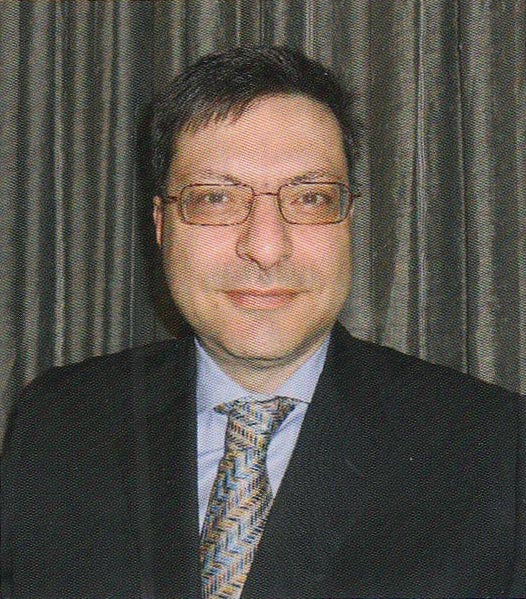
Paolo Cardillo
Paolo Cardillo was born in Turin on February 21, 1966. His studies were predominantly humanistic, ranging from modern literature to advanced music study. His collecting experience dates back to the 1990s, but it was in 2001 that, having developed a passion for the Italian Area and particularly the Ancient Italian States, he decided to delve deeper into the sector, first limiting himself to the study of stamps alone, then analyzing both proofs, essays, and printing methods and the actual use of stamps, including rates, destinations, and postal history in general.
